Meta Thought I Was a Bot
I had a very simple goal. I wanted to spend money advertising a new product on Instagram.
That’s the whole ambition. I have a product called Trudee — software for contractors — and I wanted to put it in front of plumbers and see if any of them cared. I wasn’t trying to game the algorithm. I wasn’t scraping anything. I wasn’t automating ads. I had a credit card and a hundred dollars and a genuine desire to hand it to Meta.
Two hours later, Meta had banned my business for being a bot.
It started innocently enough
Step one: create a campaign.
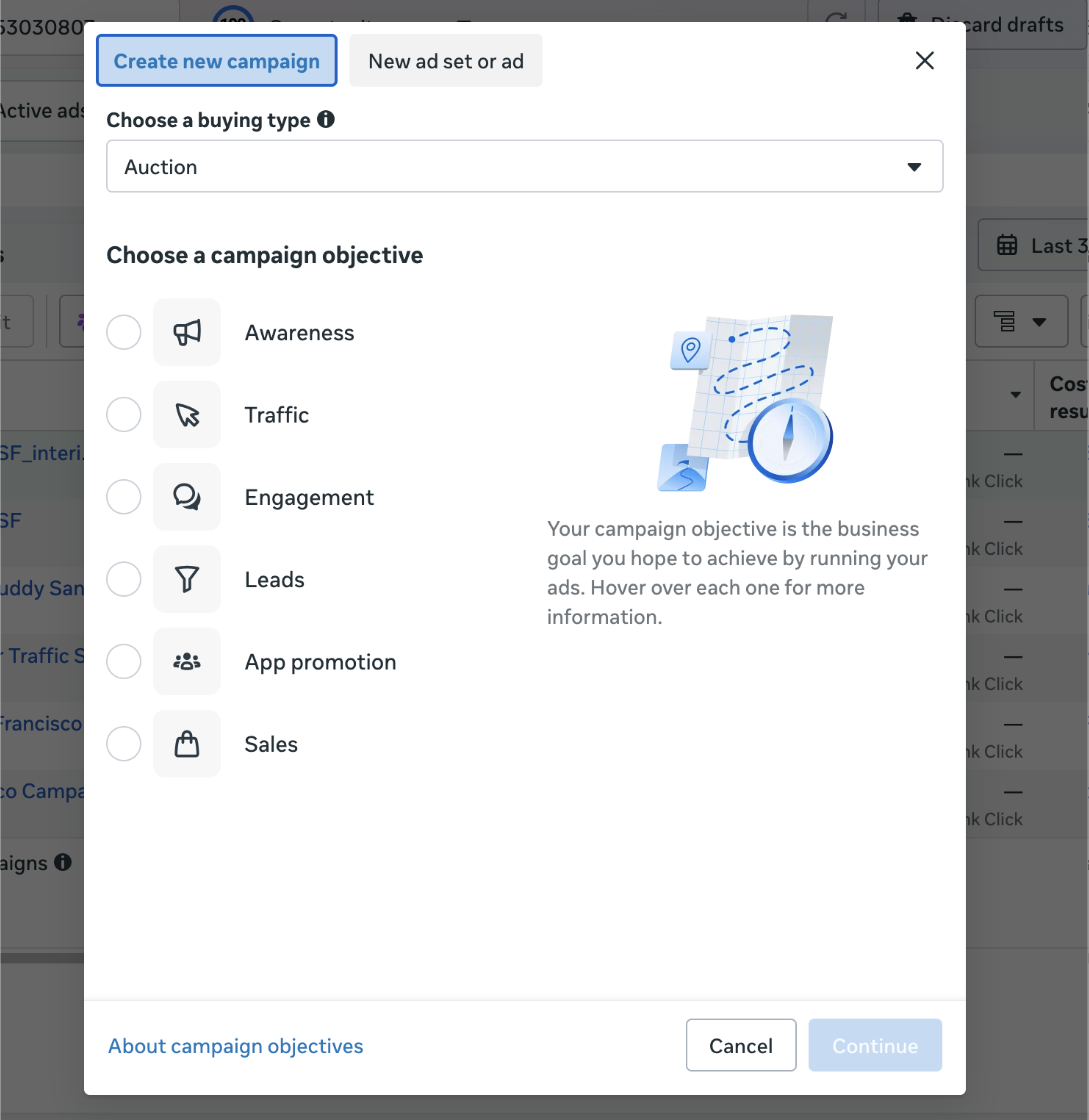
Awareness? Traffic? Engagement? Leads? Sales?
Thirty seconds in and I’m already translating. My actual goal — show this thing to plumbers and see if they’re interested — doesn’t map cleanly onto any of them. I picked Sales, mostly because I couldn’t think of a good reason not to.
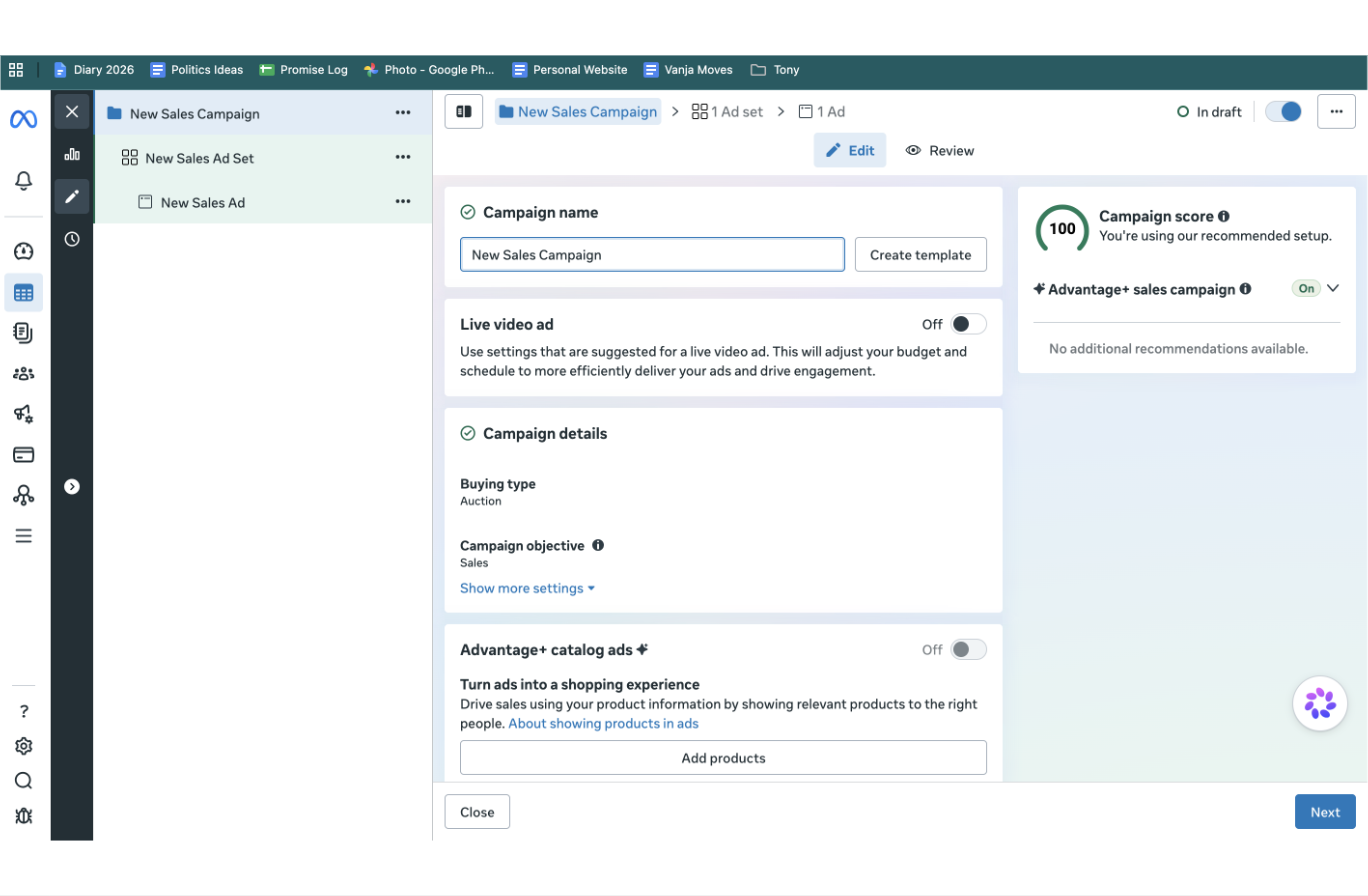
Note the gauge telling me my campaign score is 100 and I’m “using our recommended setup.” I hadn’t configured anything. I had typed a name. The system was already grading me.
Then came budgets, bid strategies, audience segment reporting, special ad categories, ad sets, conversion locations, performance goals — and something called a dataset.
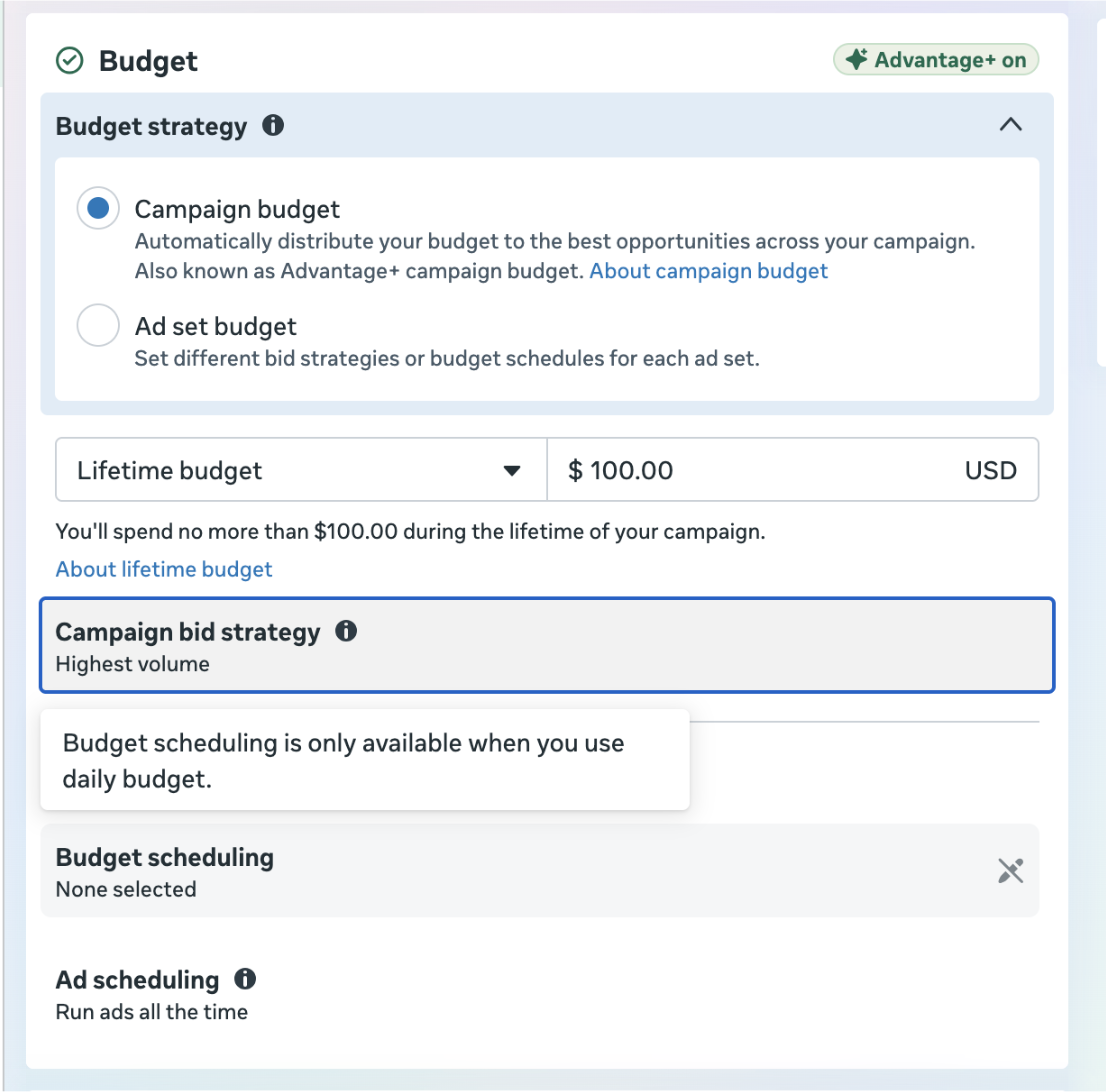
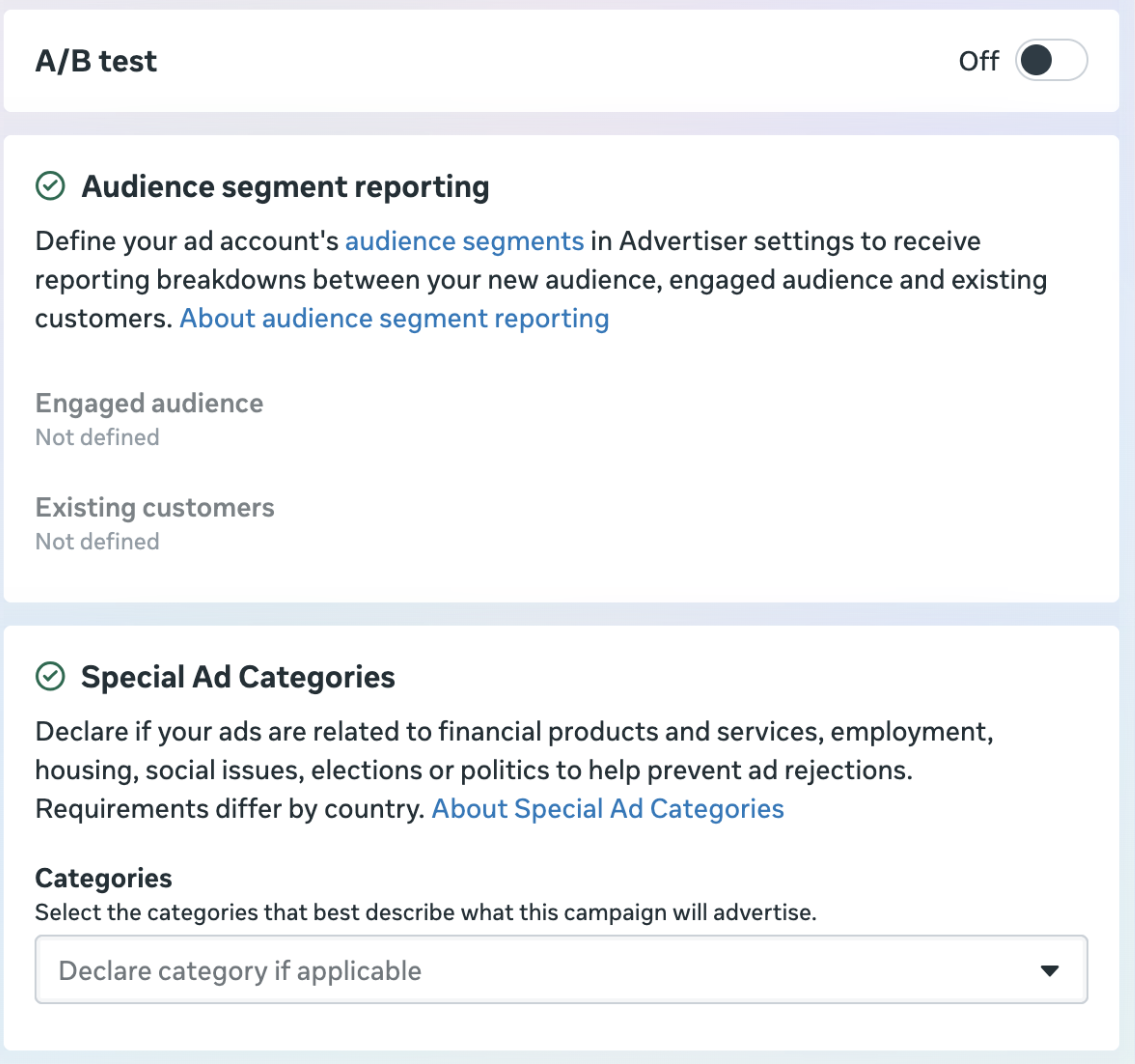
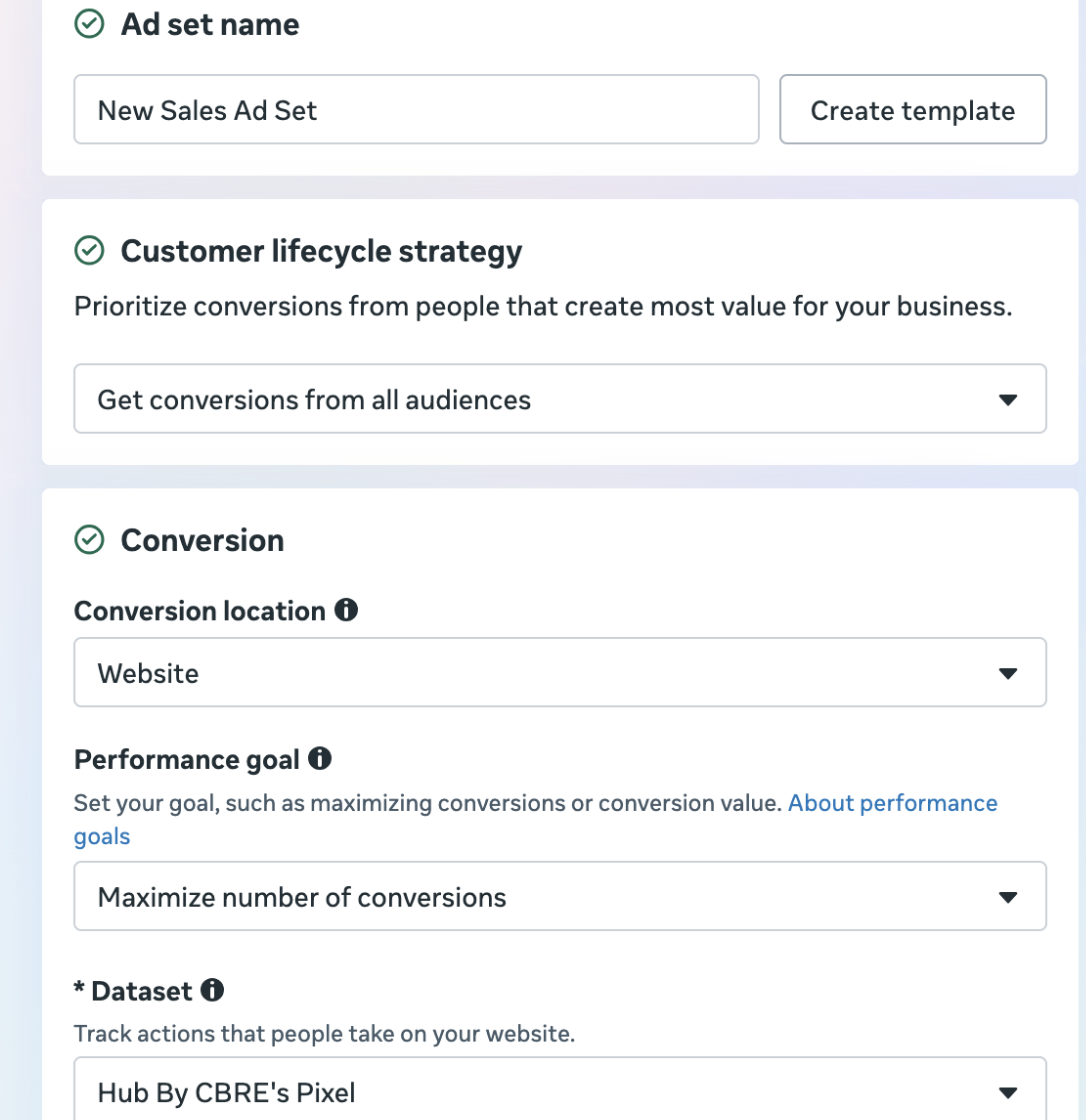
I want to be honest about where I was at this point: I still hadn’t made an ad. Not a headline, not an image, not one word of copy. I was configuring the machinery required to someday make the ad.
Some of that complexity is real. Ad targeting genuinely is complicated, and the people spending six figures a month need every one of those knobs. I’m not asking Meta to be simple. I’m asking why the beginner path and the expert path are the same path.
Then it wanted a dataset
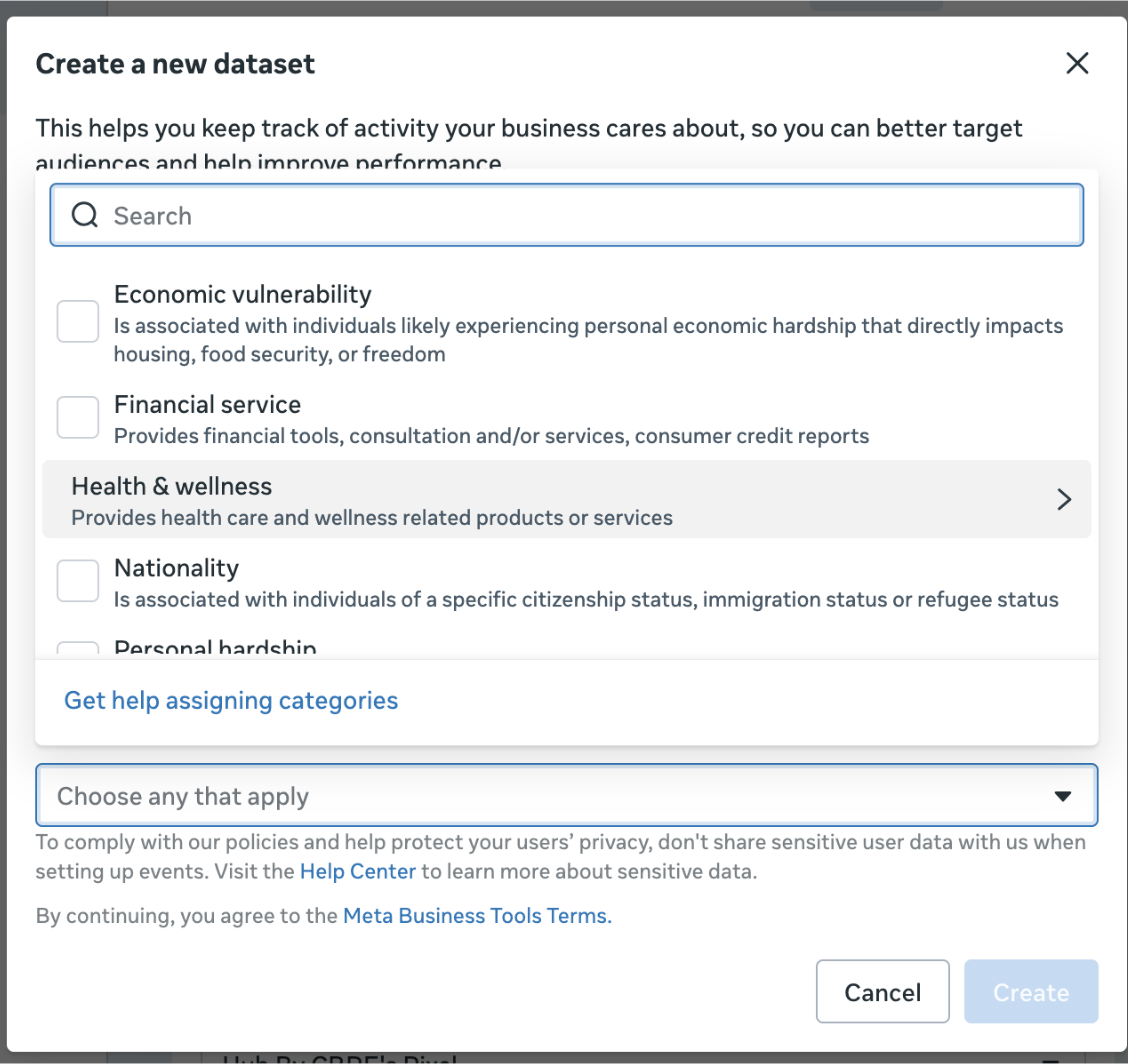
The dataset led me into Business Manager, which led me to needing a dedicated business ad account. Fine. Name, time zone, currency. Three fields.
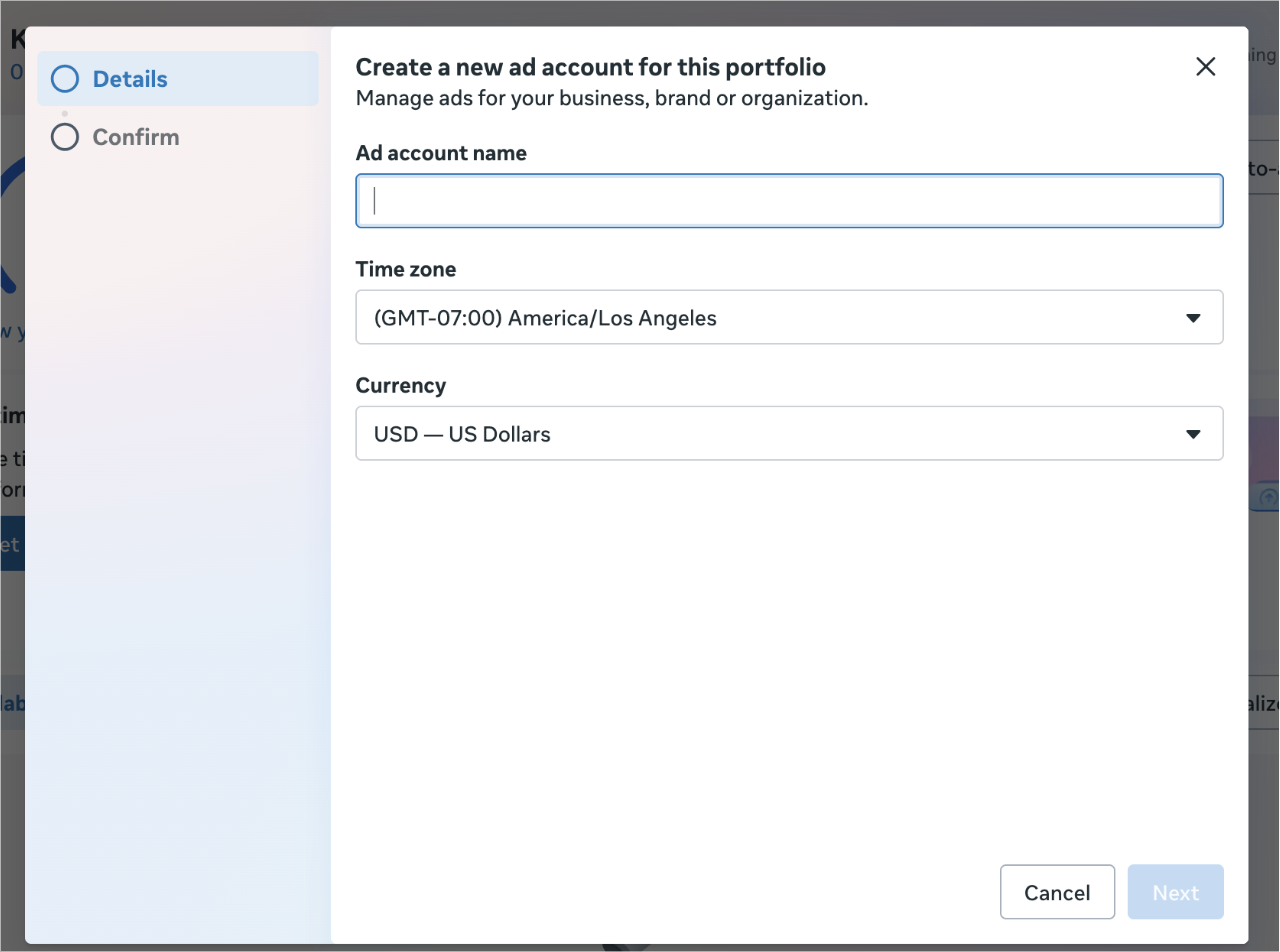
I filled them in and hit Next.
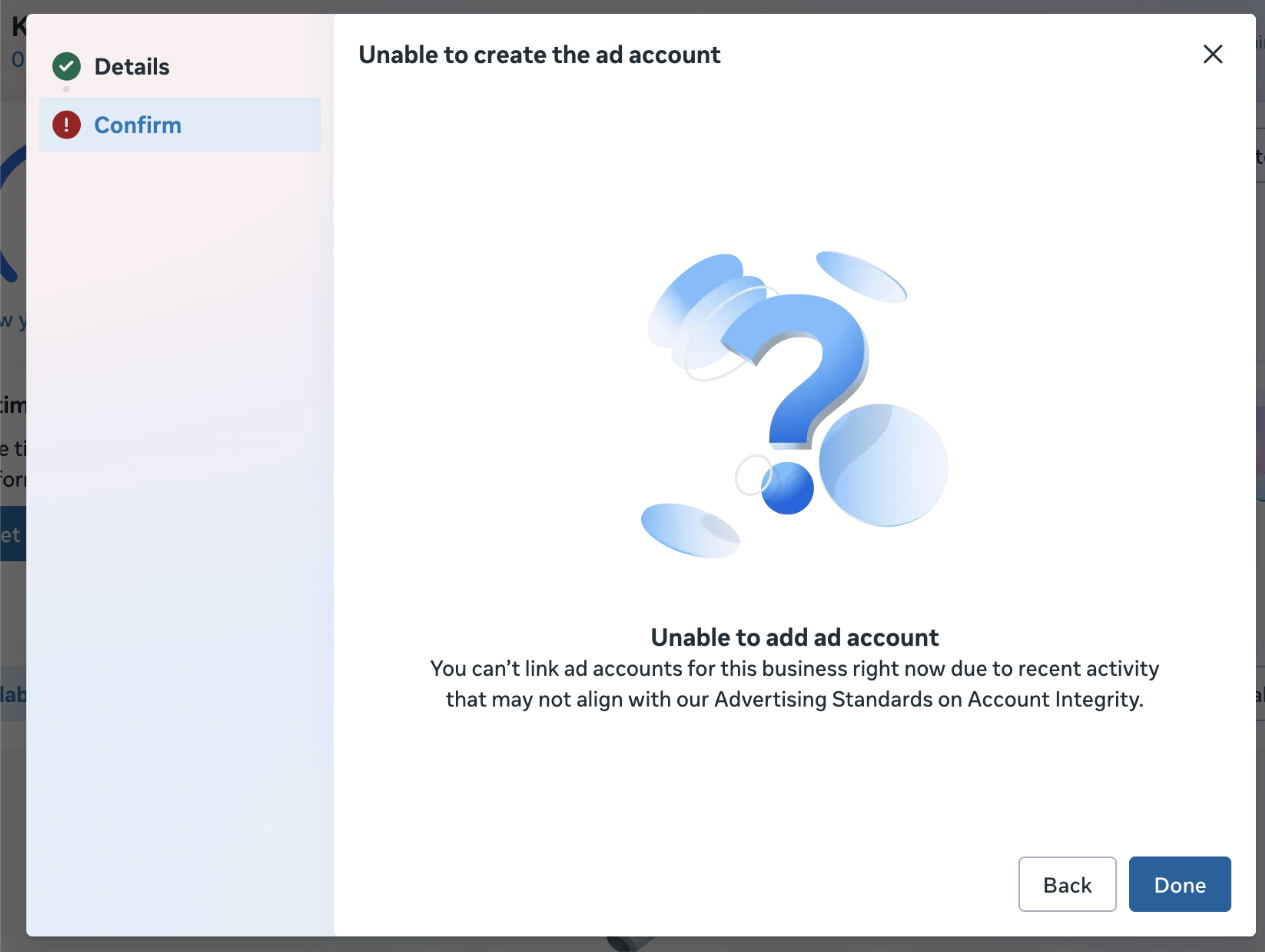
“Recent activity that may not align with our Advertising Standards on Account Integrity.”
What activity? Trying to create an advertising account. That was the only thing I had done. The recent activity Meta found suspicious was me using Meta.
Then the email arrived.
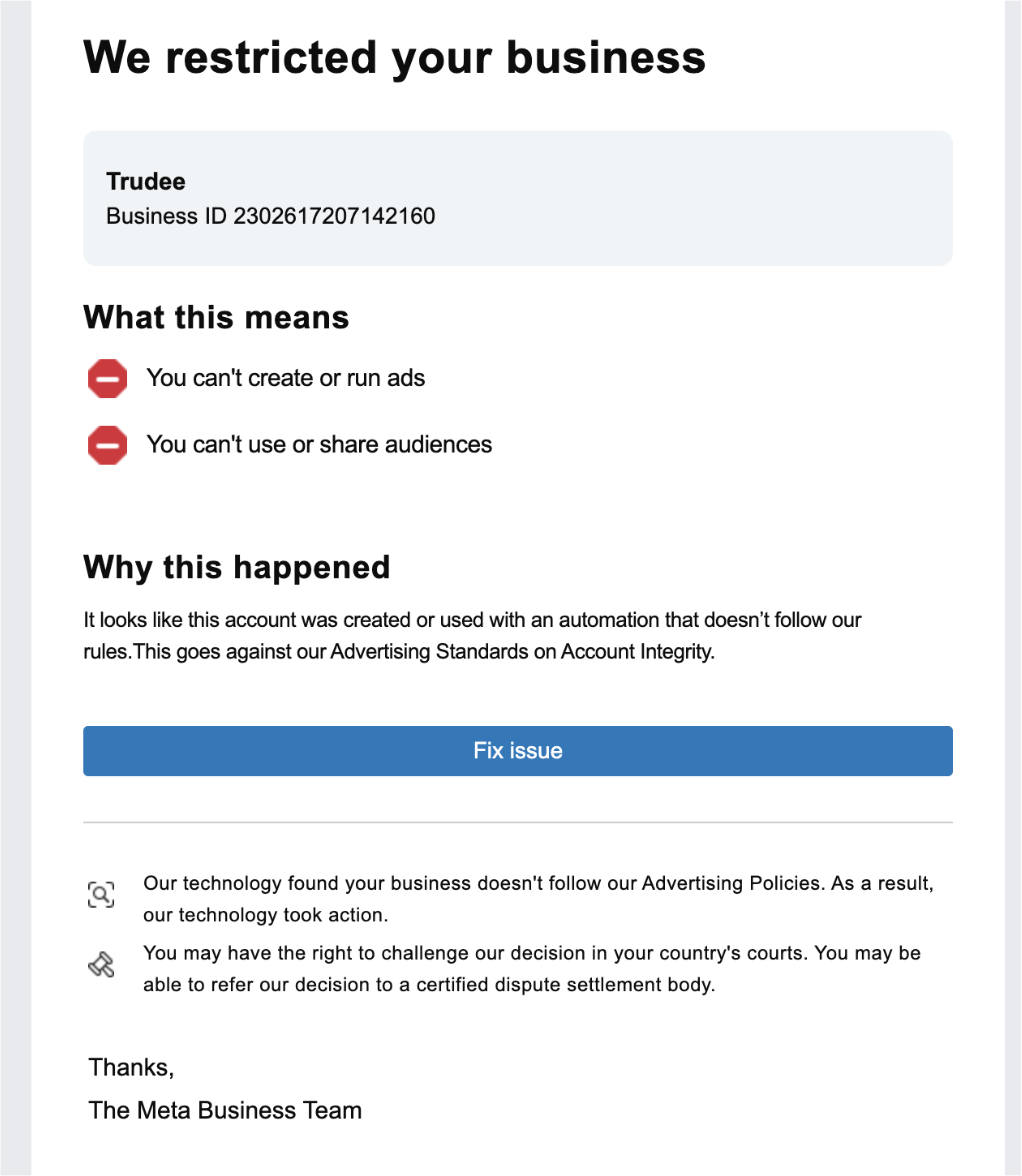
“It looks like this account was created or used with an automation that doesn’t follow our rules.”
Except it wasn’t. I was at my desk, manually clicking through Meta’s own interface, slowly, badly, the way a confused human clicks through an unfamiliar interface. Their system read that and concluded I was a machine.
There’s a joke in here I’m too tired to enjoy: I spend most of the last couple years building AI agents, and the one time I did something entirely by hand, I got flagged as a bot.
When fraud prevention attacks the customer
Meta has a genuinely enormous abuse problem — bots, fake accounts, scam advertisers, fraud at a scale I can’t really imagine. Automated enforcement isn’t optional for them. I’d build it too.
But it has a failure mode that doesn’t show up in the metrics anyone presents: a false positive has a customer acquisition cost attached to it.
Somewhere inside Meta, a model looked at my session and decided it was suspicious. From its side of the glass, maybe that was statistically defensible — new account, unusual navigation, hesitation, backtracking, whatever signals I threw off while being lost. From mine, I got accused of breaking the rules while following the instructions, with no human anywhere in it.
The number that matters isn’t the fraud they caught. It’s the willing customers they threw away catching it — and I’d bet that number isn’t on anyone’s dashboard, because the people it happens to leave silently.
Automate the help, not the punishment
Here’s what actually bothers me.
Meta has some of the best machine learning talent on the planet. They pointed it at watching me. They did not point it at helping me.
Every screen I walked through is a place where a decent assistant could have carried the whole load. “Tell me what you’re selling and who you want to reach.” I type: software for plumbing contractors, small businesses, US. It picks the objective, drafts the ad set, proposes a budget, tells me whether I actually need a dataset, and shows me a draft ad to react to. Ten minutes, tops. That is not a hard problem in 2026. It’s a product decision not to.
Instead the intelligence went to the enforcement layer and the customer got the form.
I think a lot of us are about to make the same call without noticing. When you’re deciding where the AI goes, the tempting place is the one with clean training data and a measurable win — fraud, risk, moderation, anything with a labeled outcome. Helping a confused person accomplish a fuzzy goal is messier and harder to score. So the automation drifts toward policing and away from helping, one reasonable roadmap decision at a time.
My motto for years has been automate and elevate — take the low-level work off people so they can operate a level up. Meta automated the judgment and left me the toil.
So here’s the question I’ve started asking about any product, including my own: how hard is it for someone who wants to give you money to actually give you money?
I showed up with a product, an audience, creative ideas, and a budget. About as pre-qualified as a customer gets. And Meta successfully converted me from “I’d like to buy some advertising” into “I should probably write a blog post about this.”
Automation is supposed to remove friction. When yours starts creating friction, confusing customers, and accusing legitimate users of things they didn’t do, you haven’t automated the customer experience.
You’ve automated losing the customer.